Al Wathba Lake Abu Dhabi: Visitor Guide, Access & Best Time
What is Al Wathba Lake?
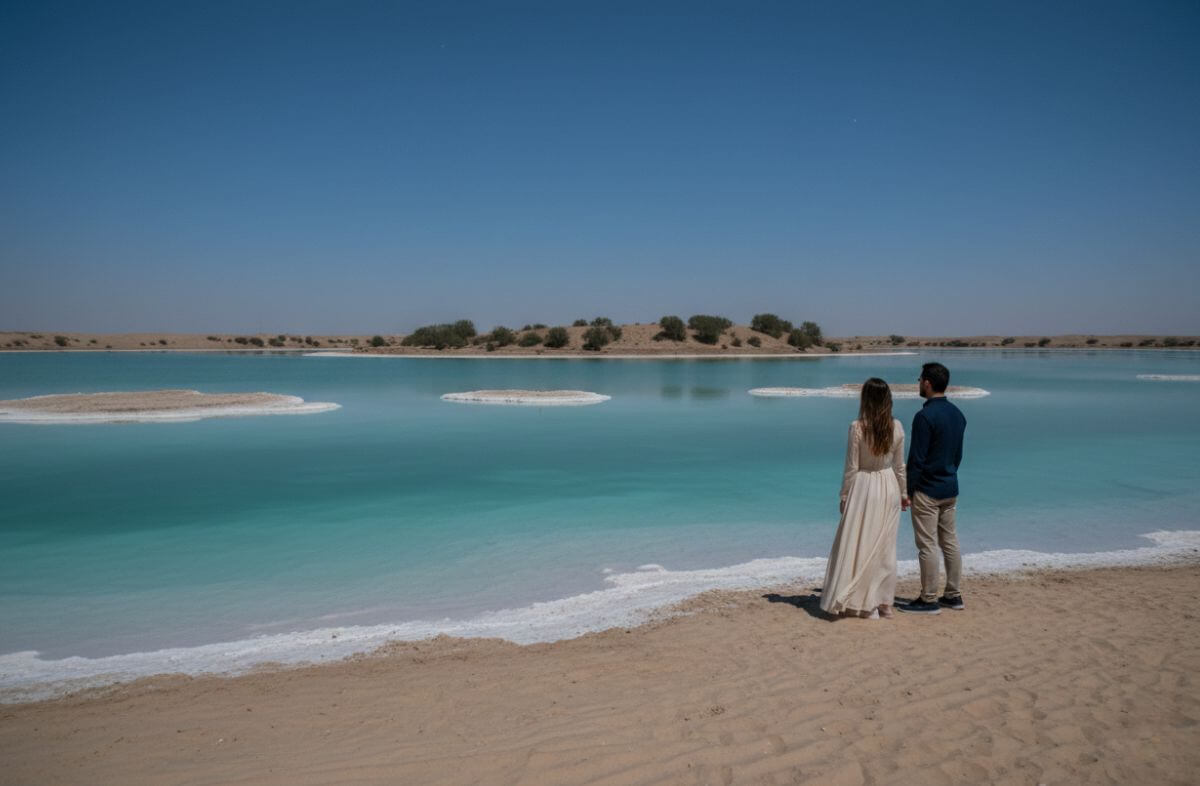
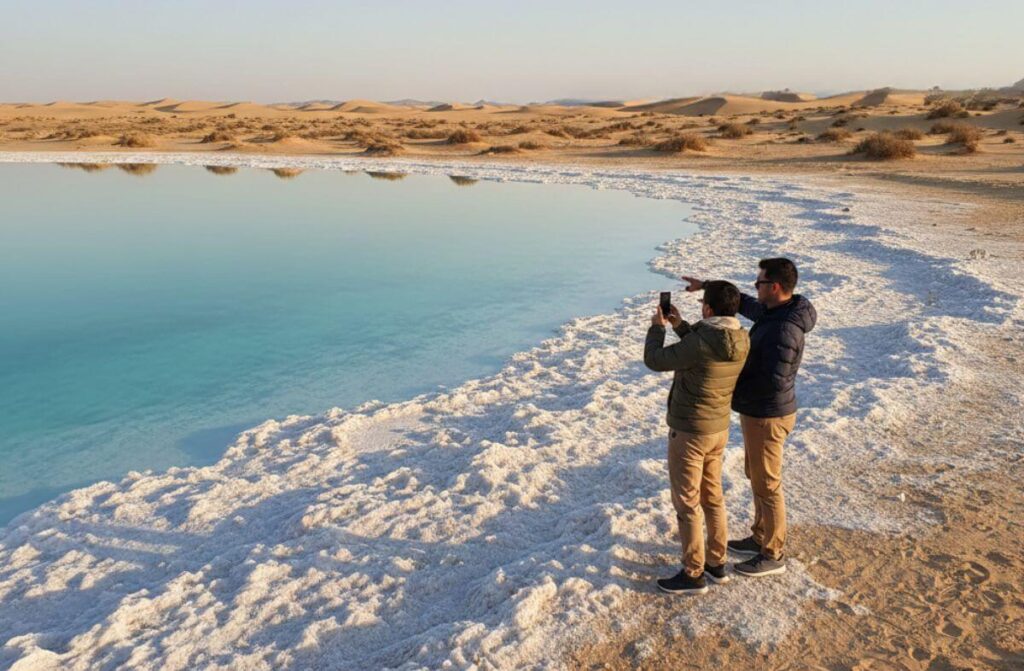
Al Wathba Lake is a man-made desert lake located southeast of Abu Dhabi city. It sits within the wider Al Wathba Wetland Reserve ecosystem and is known for its calm water, birdlife, and peaceful desert surroundings. The area has been developed as a free public outdoor destination rather than a commercial Abu Dhabi Attractions.
Why is it famous?
Al Wathba Lake is known for its unusual desert-lake setting, especially the contrast between soft sand dunes and blue water. It attracts photographers, bird watchers, campers, and residents looking for quiet outdoor space away from the city. Its proximity to the famous Al Wathba Fossil Dunes also increases visitor interest.
Is it worth visiting?
Yes – particularly for nature lovers and photographers. Visitors who expect restaurants, water sports, or large facilities may find it limited. Those who prefer peaceful scenery, sunset views, and short outdoor breaks usually rate it highly.
Location and Access
Al Wathba Lake is about 40–45 minutes from central Abu Dhabi by car. The route is straightforward via the Abu Dhabi–Al Ain Road.
Key access facts:
- Located in Al Wathba desert area
- Free public entry
- Last stretch is desert road but usually accessible by sedan
- Signage is limited – use Google Maps navigation
Important: Ride-hailing and taxis rarely wait in the area, so self-drive is strongly recommended.
Entry Fee and Opening Hours
Entry fee: Free
Parking: Free open desert parking
Opening hours: Open 24 hours (no official gate)
Although technically open all day, the practical visiting window is sunrise to late evening for safety and visibility.
What Visitors Actually Come For
Desert Lake Views
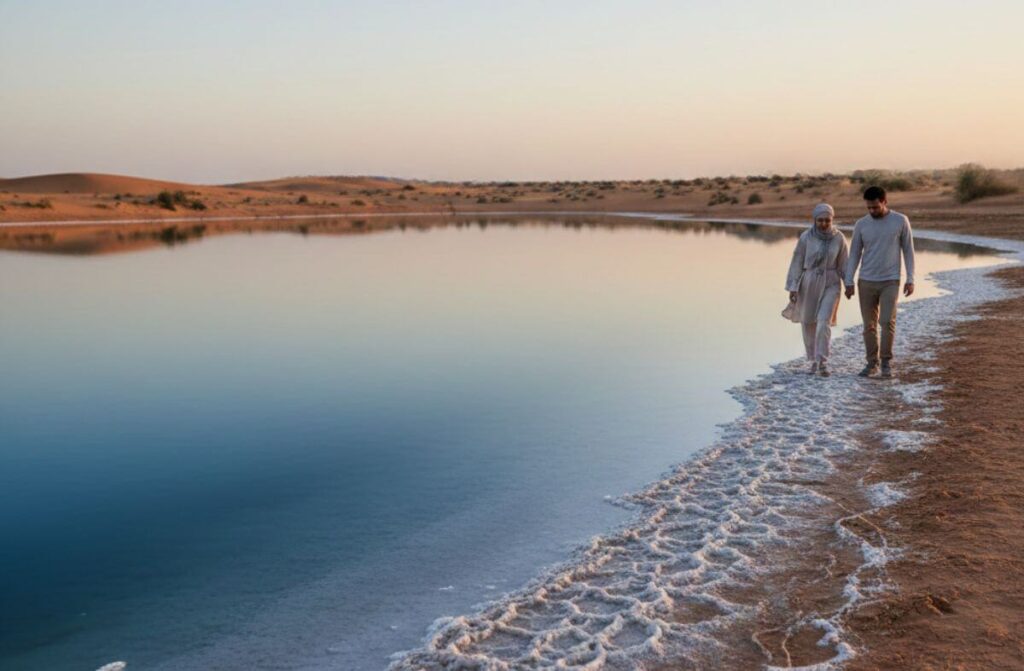
The main attraction is the wide lake surrounded by soft sand formations. The setting looks especially photogenic during golden hour.
Bird Watching
Because the lake is part of the wider wetland ecosystem, migratory birds occasionally appear. Sightings vary by season and are not guaranteed.
Picnics and Camping
Many residents visit for:
- evening picnics
- overnight desert camping
- small group gatherings
There are basic shaded seating areas in some sections.
Photography
Popular photography subjects include:
- lake reflections
- desert foreground compositions
- sunset silhouettes
- night sky shots (low light pollution)
Best Time to Visit Al Wathba Lake
Best months: November to March
Best time of day: Sunset and early morning
Summer daytime visits are not recommended due to extreme heat and minimal shade.
Seasonal reality
- Winter: comfortable weather, most visitors
- Spring: warm afternoons
- Summer: very hot, limited daytime use
- Late evening: pleasant most of the year
Windy days can reduce water clarity and overall experience.
Facilities Available On Site
Al Wathba Lake is not a full-service park, but basic visitor infrastructure exists.
Available:
- Open parking areas
- Limited shaded seating
- Walking paths in some zones
- Open desert space for camping
Limited or not available:
- No restaurants or cafés
- No permanent shops
- Limited restroom availability
- No lifeguards
- No water sports
Visitors should arrive prepared.
Rules and Restrictions
Because the lake sits within an environmentally sensitive zone, certain rules apply.
Important guidelines:
- Swimming is not recommended
- Avoid disturbing wildlife
- No loud music late at night
- Campfires only in safe controlled manner
- Do not leave litter
- Respect desert driving safety
Authorities occasionally monitor the area, especially on weekends.
Who Should Visit
Best suited for:
- Nature photographers
- Couples seeking quiet sunset spots
- Families planning short outdoor picnics
- Bird watchers
- Desert campers
Less suitable for:
- Visitors expecting full tourist facilities
- Those without a private car
- Midday summer travelers
- People looking for water activities
How Much Time You Need
Most visitors spend 1.5 to 3 hours at Al Wathba Lake.
Typical visit patterns:
- Quick photo stop: 45–60 minutes
- Sunset picnic: 2–3 hours
- Overnight camping: full evening to morning
There is no structured route, so duration depends on your plan.
Nearby Places to Combine
If planning a half-day desert outing, many visitors combine the lake with nearby natural attractions.
Common pairings:
- Al Wathba Fossil Dunes
- Al Wathba Wetland Reserve bird watching area
- Desert cycling tracks in Al Wathba region
Combining two spots makes the drive more worthwhile.
Common Visitor Mistakes
Many first-time visitors arrive unprepared. The most frequent issues include:
Coming in summer afternoon
Temperatures can be extreme with almost no shade.
Expecting cafés or shops
There are no commercial facilities on site.
Not bringing supplies
Water, snacks, and basic picnic items are essential.
Arriving without navigation
Signage is limited; offline maps help.
Staying too late without lighting
Some areas become very dark at night.
Practical Local Tips
- Bring enough drinking water for everyone
- Carry a trash bag and take waste back
- Visit on weekdays for quieter experience
- Use a tripod for sunset photography
- Check weather and wind before driving
- Keep fuel tank adequately filled
- Mobile signal is generally available but can fluctuate
FAQs
- Is Al Wathba Lake natural or artificial?
Al Wathba Lake is man-made. It was developed as part of environmental and landscape initiatives in the Al Wathba desert area. - Can you swim in Al Wathba Lake?
Swimming is not recommended. The lake is not monitored by lifeguards, and the area is primarily intended for viewing, picnics, and nature visits. - Do you need a 4×4 to reach Al Wathba Lake?
Most visitors reach the lake with a regular sedan using the main access road. A 4×4 is only useful if you plan to drive deeper into soft desert areas. - Is camping allowed at Al Wathba Lake?
Yes, informal desert camping is common. Visitors should follow safety rules, avoid open fires in risky conditions, and clean up all waste. - What is the best time for photography at Al Wathba Lake?
Sunset and early morning provide the best lighting. Winter months offer clearer skies and more comfortable temperatures.