

AF386 Emergency: Air France Flight AF386 Circling and Emergency Return Explained
What is AF386 Emergency?
AF386 emergency refers to an incident involving Air France Flight AF386, where the aircraft reportedly declared an emergency while operating a long-haul route to Toronto and began circling before considering a diversion or return to Paris.
In aviation terms, an “emergency” declaration usually means the flight crew has activated a priority status (often squawking 7700) to signal Air Traffic Control (ATC) that the aircraft requires immediate assistance. This does not automatically mean a crash risk, but it does indicate an abnormal technical, medical, or operational situation requiring priority handling.
In the case of air france AF386 emergency landing Paris and air france AF386 emergency return Paris, reports indicate that the aircraft remained airborne in a holding pattern while the crew coordinated with ATC for the safest resolution.
Overview of Air France AF386 Incident
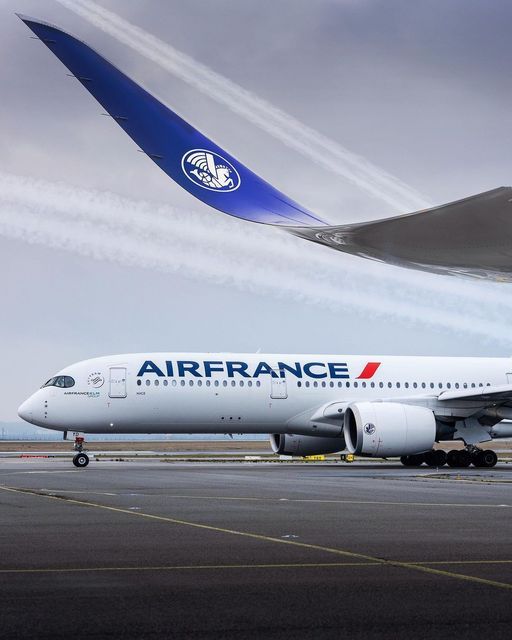
Air France Flight AF386 is a scheduled long-haul international service operated by Air France. According to aviation tracking reports referenced from incident monitoring sources, the flight was en route to Toronto when it declared an emergency and began circling.
Key points of the situation:
- Flight was operating normally before the emergency call
- Emergency code was activated mid-flight
- Aircraft entered a circling or holding pattern
- Coordination took place with Paris air traffic control
- Decision considered: continue diversion or return to departure airport
Circling behavior is common in such cases because pilots may need to burn fuel, troubleshoot systems, or wait for landing clearance priority.

Why Aircraft Circle After Declaring Emergency
When a flight like AF386 emergency enters a holding pattern, it is not random. ATC assigns a controlled flight path for safety and operational reasons.
Typical reasons include:
- Fuel Management
Long-haul aircraft often need to reduce landing weight before emergency landing. Circling allows controlled fuel burn. - Technical Diagnostics
Pilots may be checking system alerts, engine performance, or cabin pressurization status. - Airport Preparation
Emergency landings require coordination:
- Fire and rescue teams on standby
- Runway clearance
- Emergency medical support if needed
- Air Traffic Prioritization
Declaring emergency gives the aircraft priority but may still require waiting for runway sequencing.
In the case of AF386, circling near Paris airspace suggests coordination for a possible emergency return to Paris rather than continuing to destination.
Emergency Landing vs Return to Paris Decision
A major question in incidents like air france AF386 emergency landing Paris is why a flight returns instead of continuing.
Return to Departure Airport (Paris)
This is preferred when:
- Aircraft has technical issues detected early
- Maintenance facilities are available at base
- Crew wants fastest access to airline support
Diversion to Alternate Airport
Chosen when:
- Destination is closer or safer
- Weather conditions are better elsewhere
- Fuel constraints limit return options
For AF386, reports suggest consideration of a controlled return to Paris, which is common for intercontinental flights departing France.

What “Emergency” Means in Aviation Context
An emergency declaration does not always indicate immediate danger. In aviation operations, it can include:
- Engine or hydraulic warnings
- Medical emergencies onboard
- Pressurization irregularities
- Electrical system alerts
- Bird strike or suspected mechanical anomaly
- Smoke or odor reports
Modern aircraft are designed with redundancy, meaning one issue rarely leads to catastrophic failure. Instead, crews follow structured protocols.
Passenger Experience During AF386 Emergency
For passengers onboard AF386 emergency, the experience would typically involve:
- Cabin crew instructions to remain seated
- Possible announcement from captain explaining technical issue
- Seatbelt sign remaining on during circling
- Possible delay in descent while ATC coordinates landing priority
Passengers are usually not informed of full technical details during the event to avoid unnecessary concern. Airline procedures prioritize calm, controlled communication.
Air Traffic Control Procedure During Emergency Flights
When AF386 declared emergency, ATC follows strict procedures:
- Aircraft identifies emergency status
- Immediate priority clearance is granted
- Radar tracking is intensified
- Aircraft is guided into holding pattern if needed
- Runway and emergency teams are prepared
- Landing clearance is expedited
The aircraft transmits a distress code (commonly 7700), which alerts all regional controllers.
Role of Air France Operational Response
As the operator, Air France would activate its operational control center, which handles:
- Real-time technical support to pilots
- Coordination with airport emergency services
- Passenger rebooking decisions if required
- Aircraft inspection planning after landing
Air France, like other major international carriers, follows EASA aviation safety standards, ensuring standardized emergency handling procedures across its fleet.

Was AF386 Safe During the Incident?
Based on standard aviation safety protocols, flights that declare emergencies are still considered controlled and stable operations.
Important safety facts:
- Aircraft remains under full pilot control
- ATC prioritizes safe landing path
- Emergency does not equal imminent crash risk
- Modern aircraft systems provide multiple backups
The AF386 situation reflects a precautionary operational response rather than uncontrolled failure.
Timeline Summary of AF386 Emergency Event
A simplified sequence of events:
- Departure from Paris completed normally
- Aircraft en route to Toronto
- Mid-flight anomaly detected
- Emergency declared by flight crew
- Aircraft enters circling/holding pattern
- Coordination with ATC for landing decision
- Possible return to Paris or diversion initiated
This structured timeline is typical for long-haul emergency procedures.
What Travelers Should Know If Onboard an Emergency Flight
If you are ever on a flight like AF386 emergency return Paris, these points are important:
- Follow crew instructions immediately
- Remain seated with seatbelt fastened
- Do not interpret announcements without full context
- Understand that circling is often procedural
- Emergency landing support is always prepared on ground
Airlines train crew extensively for these scenarios to ensure passenger safety.
Why AF386 Incident Attracted Attention
The AF386 case gained attention because:
- It involved a long-haul international route
- Emergency declaration occurred mid-flight
- Aircraft entered visible circling pattern
- Route deviation from Toronto destination was expected
Flight tracking platforms and aviation monitoring communities often highlight such events due to real-time visibility.
Is It Common for Flights to Return After Emergency?
Yes. Emergency returns are a standard aviation procedure. Flights return to departure airports when:
- Maintenance support is needed
- Technical issues are detected early
- Fuel or operational conditions favor return
- Safety margins are best preserved at origin airport
The air france AF386 emergency landing Paris scenario fits within these normal operational safety decisions.
People Also Ask (FAQs)
- What happened to Air France AF386 emergency flight?
Air France AF386 reportedly declared an emergency mid-flight while en route to Toronto and entered a holding pattern before considering return or diversion.
- Why do flights circle after declaring emergency?
Flights circle to burn fuel, stabilize aircraft weight, and allow air traffic control to prepare emergency landing arrangements.
- Did AF386 land safely in Paris?
Based on typical emergency procedures, the aircraft is handled for a controlled landing at the most suitable airport, usually its origin or nearest safe airport.
- What does emergency squawk 7700 mean?
It is a transponder code used by pilots to signal a general emergency to all air traffic controllers in the region.
- Is it safe to fly after AF386 emergency incident?
Yes. Emergency declarations are precautionary procedures, and modern aircraft are designed to operate safely even with system alerts.

Daniel Brooks specializes in practical travel advice for anyone visiting the United Arab Emirates. His expertise includes transportation, airports, visas, budgeting, road trips, travel safety, and itinerary planning. From navigating Dubai’s metro system to planning scenic escapes in the Northern Emirates, Daniel creates easy-to-follow guides that help travelers explore the UAE with confidence.